Today, I would like to share a few points on the rank of the chanter in the Coptic tradition:
Contrary to a widely circulated misconception, the order of chanter is NOT new to the Coptic Rite. Both, the Coptic anaphora of Mark/Cyril as well as that of Gregory the Theologian refer to the chanters among the orders of the Church. It is important to note that these anaphora refer to the orders as a whole and not every subgroup within an order—for example, neither the metropolitan, nor the hegumen, nor the archdeacon, nor the nun is mentioned, but are assumed within the entirety of their order; you may also notice, however, that the subdeacon is mentioned as a standalone order and is not assumed within the rank of the diaconate.
Unfortunately, these litanies may not be so familiar to us today because those of the Basilian anaphora are often preferred for their brevity.
| Gregory | Mark/Cyril |
| Ⲁⲣⲓⲫⲙⲉⲩⲓ ⲡ⳪︦ ⲛ̀ⲧⲉⲕⲟⲩⲓ ⲙ̀ⲙⲁⲩⲁⲧⲥ ⲉ︦ⲑ︦ⲩ︦ ⲛ̀ⲕⲁⲑⲟⲗⲓⲕⲏ ⲟⲩⲟϩ ⲛ̀ⲁⲡⲟⲥⲧⲟⲗⲓⲕⲏ ⲛ̀ⲉⲕⲕⲗⲏⲥⲓⲁⲥ ⳾ ⲑⲁⲓ ⲉⲧϣⲟⲡ ⲓⲥϫⲉⲛ ⲁⲩⲣⲏϫⲥ ⲛ̀ϯⲟⲓⲕⲟⲩⲙⲉⲛⲏ ϣⲁ ⲁⲩⲣⲏϫⲥ ⳾ ⲛⲉⲙ ⲛⲏⲉⲧϣⲱⲧ ⲉⲃⲟⲗ ⲛ̀ϧⲏⲧⲥ ⲙ̀ⲡⲥⲁϫⲓ ⲛ̀ϯⲙⲉⲑⲙⲏⲓ ϧⲉⲛ ⲟⲩⲥⲱⲟⲩⲧⲉⲛ ⳾ Ⲛϩⲟⲩⲟ ⲇⲉ ⲡⲉⲛⲡⲁⲧⲣⲓⲁⲣⲭⲏⲥ ⲛ̀ⲓⲱⲧ ⲉⲧⲧⲁⲓⲏⲟⲩⲧ ⲁⲃⲃⲁ ⲡⲁⲛ︦ⲓ︦ⲙ︦ ⳾ Ⲉϩⲣⲏⲓ ⲉϫⲉⲛ ⲛⲏⲉⲧϣⲟⲡ ⲙ̀ⲡⲁⲓⲙⲁ ⲛⲉⲙ ⲛⲏⲉⲧⲁⲩⲉⲛⲕⲟⲧ ⳾ ⲛⲓⲉⲡⲓⲥⲕⲟⲡⲟⲥ ⳾ ⲛⲓⲡⲣⲉⲥⲃⲩⲧⲉⲣⲟⲥ ⳾ ⲛⲓⲇⲓⲁⲕⲱⲛ ⳾ ⲛⲓϩⲩⲡⲟⲇⲓⲁⲕⲱⲛ ⳾ ⲛⲓⲁⲛⲁⲅⲛⲱⲥⲧⲏⲥ ⳾ ⲛⲓⲯⲁⲗⲧⲏⲥ ⳾ ⲛⲓⲉⲝⲟⲣⲅⲓⲥⲧⲏⲥ ⳾ ⲛⲓⲙⲟⲛⲁⲭⲟⲥ ⳾ ⲛⲓⲡⲁⲣⲑⲉⲛⲟⲥ ⳾ ⲛⲓⲭⲏⲣⲁ ⳾ ⲛⲓⲟⲣⲫⲁⲛⲟⲥ ⳾ ⲛⲓⲉⲅⲕⲣⲁⲧⲏⲥ ⳾ ⲛⲓⲗⲁⲓⲕⲟⲥ ⳾ ⲛⲉⲙ ⲉϩⲣⲏⲓ ⲉϫⲉⲛ ⲫⲙⲟϩ ⲧⲏⲣϥ ⲛ̀ⲧⲉ ⲧⲉⲕⲉⲕⲕⲗⲏⲥⲓⲁ ⲉ︦ⲑ︦ⲩ︦ ⲫϯ ⲛ̀ⲧⲉ ⲛⲓⲡⲓⲥⲧⲟⲥ | Ⲡⲉⲛⲡⲁⲧⲣⲓⲁⲣⲭⲏⲥ ⲛ̀ⲓⲱⲧ ⲉⲧⲧⲁⲓⲏⲟⲩⲧ ⲁⲃⲃⲁ ⲛ︦ⲓ︦ⲙ︦ ϧⲉⲛ ⲟⲩⲁⲣⲉϩ ⲁⲣⲉϩ ⲉⲣⲟϥ ⲛⲁⲛ ⲛ̀ϩⲁⲛⲙⲏϣ ⲛ̀ⲣⲟⲙⲡⲓ ϧⲉⲛ ϩⲁⲛⲥⲏⲟⲩ ⲛ̀ϩⲓⲣⲏⲛⲓⲕⲟⲛ ⲉϥϫⲱⲕ ⲉⲃⲟⲗ ⲛ̀ⲑⲏⲉ︦ⲑ︦ⲩ︦ ⲉⲧⲁⲕⲧⲉⲛϩⲟⲩⲧϥ ⲉⲣⲟⲥ ⲉⲃⲟⲗϩⲓⲧⲟⲧⲕ ⲙ̀ⲙⲉⲧⲁⲣⲭⲏⲉⲣⲉⲩⲥ ⲕⲁⲧⲁ ⲡⲉⲕⲟⲩⲱϣ ⲉ︦ⲑ︦ⲩ︦ ⲟⲩⲟϩ ⲙ̀ⲙⲁⲕⲁⲣⲓⲟⲛ ⳾ ⲉϥϣⲱⲧ ⲉⲃⲟⲗ ⲙ̀ⲡⲥⲁϫⲓ ⲛ̀ⲧⲉ ϯⲙⲉⲑⲙⲏⲓ ϧⲉⲛ ⲟⲩⲥⲱⲟⲩⲧⲉⲛ ⳾ ⲉϥⲁⲙⲟⲛⲓ ⲙ̀ⲡⲉⲕⲗⲁⲟⲥ ϧⲉⲛ ⲟⲩⲧⲟⲩⲃⲟ ⲛⲉⲙ ⲟⲩⲇⲓⲕⲉⲟⲥⲩⲛⲏ ⳾ ⲉⲕⲉⲉⲣⲭⲁⲣⲓⲍⲉⲥⲑⲉ ⲛⲁϥ ⲛⲉⲙⲁⲛ ⲛ̀ⲟⲩϩⲓⲣⲏⲛⲏ ⲛⲉⲙ ⲟⲩⲟⲩϫⲁⲓ ⲉⲃⲟⲗ ϧⲉⲛ ⲙⲁⲓ ⲛⲓⲃⲉⲛ ⳾ ⲛⲉϥⲡⲣⲟⲥⲉⲩⲭⲏ ⲇⲉ ⲉⲧⲉϥⲓⲣⲓ ⲙ̀ⲙⲱⲟⲩ ⲉϩⲣⲏⲓ ⲉϫⲱⲛ ⲛⲉⲙ ⲉϫⲉⲛ ⲡⲉⲕⲗⲁⲟⲥ ⲧⲏⲣϥ ⲛⲉⲙ ⲛⲟⲩⲛ ϩⲱⲛ ⲉϩⲣⲏⲓ ⲉϫⲱϥ ϣⲟⲡⲟⲩ ⲉⲣⲟⲕ ⲉϫⲉⲛ ⲡⲉⲕⲑⲩⲥⲓⲁⲥⲧⲏⲣⲓⲟⲛ ⲛ̀ⲉⲗⲗⲟⲅⲓⲙⲟⲛ ⲛ̀ⲧⲉ ⲧⲫⲉ ⲉⲩⲥⲑⲟⲓ ⲛ̀ⲥⲑⲟⲓⲛⲟⲩϥⲓ ⳾ ⲛⲉϥϫⲁϫⲓ ⲙⲉⲛ ⲧⲏⲣⲟⲩ ⲛⲏⲉⲧⲟⲩⲛⲁⲩ ⲉⲣⲱⲟⲩ ⲛⲉⲙ ⲛⲏⲉⲧⲉ ⲛ̀ⲥⲉⲛⲁⲩ ⲉⲣⲱⲟⲩ ⲁⲛ ϧⲉⲙϧⲱⲙⲟⲩ ⲟⲩⲟϩ ⲙⲁⲑⲉⲃⲓⲱⲟⲩ ⲥⲁⲡⲉⲥⲏⲧ ⲛ̀ⲛⲉϥϭⲁⲗⲁⲩϫ ⲛ̀ⲭⲱⲗⲉⲙ ⳾ ⲛⲑⲟϥ ⲇⲉ ⲁⲣⲉϩ ⲉⲣⲟϥ ϧⲉⲛ ⲟⲩϩⲓⲣⲏⲛⲏ ⲛⲉⲙ ⲟⲩⲇⲓⲕⲉⲟⲥⲩⲛⲏ ϧⲉⲛ ⲧⲉⲕⲉⲕⲕⲗⲏⲥⲓⲁ ⲉ︦ⲑ︦︦ⲩ︦ Ⲁⲣⲓⲫⲙⲉⲩⲓ ⲡ⳪︦ ⲛ̀ⲛⲓⲕⲉⲉⲡⲓⲥⲕⲟⲡⲟⲥ ⲛ̀ⲟⲣⲑⲟⲇⲟⲝⲟⲥ ⲉⲧϧⲉⲛ ⲙⲁⲓ ⲛⲓⲃⲉⲛ ⳾ ⲛⲓⲡⲣⲉⲥⲃⲩⲧⲉⲣⲟⲥ ⳾ ⲛⲓⲇⲓⲁⲕⲱⲛ ⳾ ⲛⲓϩⲩⲡⲟⲇⲓⲁⲕⲱⲛ ⳾ ⲛⲓⲁⲛⲁⲅⲛⲱⲥⲧⲏⲥ ⳾ ⲛⲓⲯⲁⲗⲧⲏⲥ ⳾ ⲛⲓⲉⲝⲟⲣⲅⲓⲥⲧⲏⲥ ⳾ ⲛⲓⲙⲟⲛⲁⲭⲟⲥ ⳾ ⲛⲓⲡⲁⲣⲑⲉⲛⲟⲥ ⳾ ⲛⲓⲭⲏⲣⲁ ⳾ ⲛⲓⲟⲣⲫⲁⲛⲟⲥ ⳾ ⲛⲓⲉⲅⲕⲣⲁⲧⲏⲥ ⳾ ⲛⲓⲗⲁⲓⲕⲟⲥ ⳾ ⲛⲏⲉⲧϩⲱⲧⲡ ϧⲉⲛ ⲡⲓⲅⲁⲙⲟⲥ ⲛⲉⲙ ⲛⲏⲉⲧϣⲁⲛϣ ⲉϣⲏⲣⲓ ⳾ ⲛⲏⲉⲧⲁⲩϫⲟⲥ ϫⲉ ⲁⲣⲓⲡⲉⲛⲙⲉⲩⲓ ⲛⲉⲙ ⲛⲏⲉⲧⲉ ⲙ̀ⲡⲟⲩϫⲟⲥ ⳾ ⲛⲏⲉⲧⲉ ⲛ̀ⲥⲱⲟⲩⲛ ⲙ̀ⲙⲱⲟⲩ ⲛⲉⲙ ⲛⲏⲉⲧⲉ ⲛ̀ⲥⲱⲟⲩⲛ ⲙ̀ⲙⲱⲟⲩ ⲁⲛ ⳾ ⲛⲉⲛϫⲁϫⲓ ⲛⲉⲙ ⲛⲉⲛⲙⲉⲛⲣⲁϯ ⳾ ⲫϯ ⲛⲁⲓ ⲛⲱⲟⲩ ⳾ |
| Remember, O LORD, Your one, only, holy, catholic, and apostolic Church which exists from one end of the world to the other and those within it who rightly expound the word of truth—foremost, our honored father, the patriarch, Abba (…); and those who are in this place and those who have departed—the bishops, presbyters, deacons, subdeacons, readers, chanters, exorcists, monks, virgins, widows, orphans, ascetics, laity—and all the fullness of Your holy Church, O God of the faithful. | Our honored father, the patriarch, Abba (…)—in keeping, keep him for us for many years, in peaceful times, fulfilling Your holy high priesthood which You have entrusted to him according to Your holy and blessed will, rightly expounding the word of truth, shepherding Your people in purity and righteousness. Grant him, with us, peace and safety in every place. His prayers which he offers for us, and for all your people, and ours also for him, accept them upon Your special, heavenly altar as a sweet savor. All his enemies, those seen and those unseen, trample them and humble them beneath his feet quickly; but he, keep him in peace and righteousness in Your holy Church. Remember, O LORD, the other Orthodox bishops in all places, the presbyters, deacons, subdeacons, readers, chanters, exorcists, monks, virgins, widows, orphans, ascetics, laity, those united in marriage and those nursing infants, those who have said, “remember us,” and those who have not said, those whom we know and those whom we know not, our enemies and our beloved, O God have mercy on them! |
Centuries later, there are several mentions of the order of chanter found in the “Lamp of Darkness” by Ibn Kabar ( † 1324 AD). Not only is their presence documented within the accounts of the liturgical services, but the specific rites of ordination are detailed as well:
BnF.Arabe.203
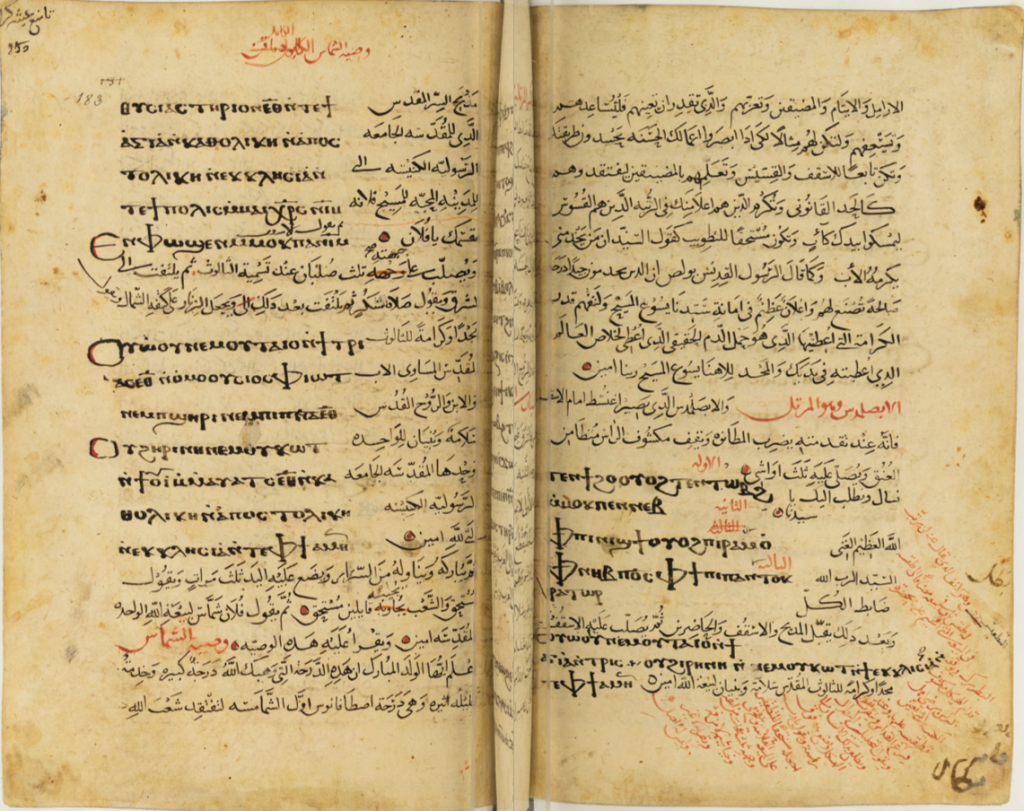
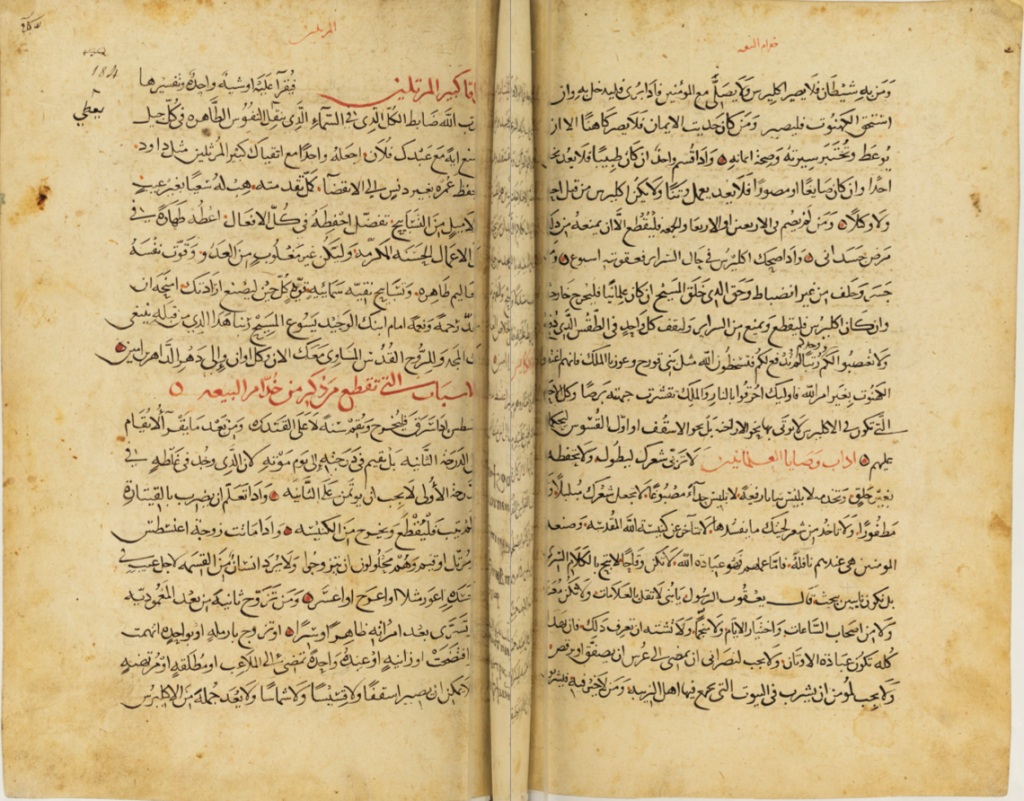
In alignment with Ibn Kabar’s witness, medieval Coptic manuscripts of the ordination rites include three prayers for the chanter (ⲯⲁⲗⲙⲱⲇⲟⲥ), and one specific prayer for the lead cantor (ⲓⲉⲣⲟⲯⲁⲗⲧⲏⲥ)—notice, an intentional distinction is being made by a particular Coptic usage of each of these two relatively synonymous, Greek terms.
While this distinction between chanter and lead cantor is not prominent today, it may be something the Coptic Church can consider in order to elevate the performance of chant in liturgical services—having trained and designated choir directors is essential to the health of any choir.
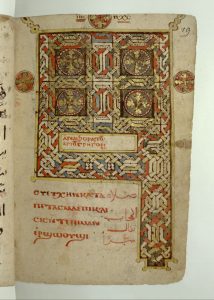
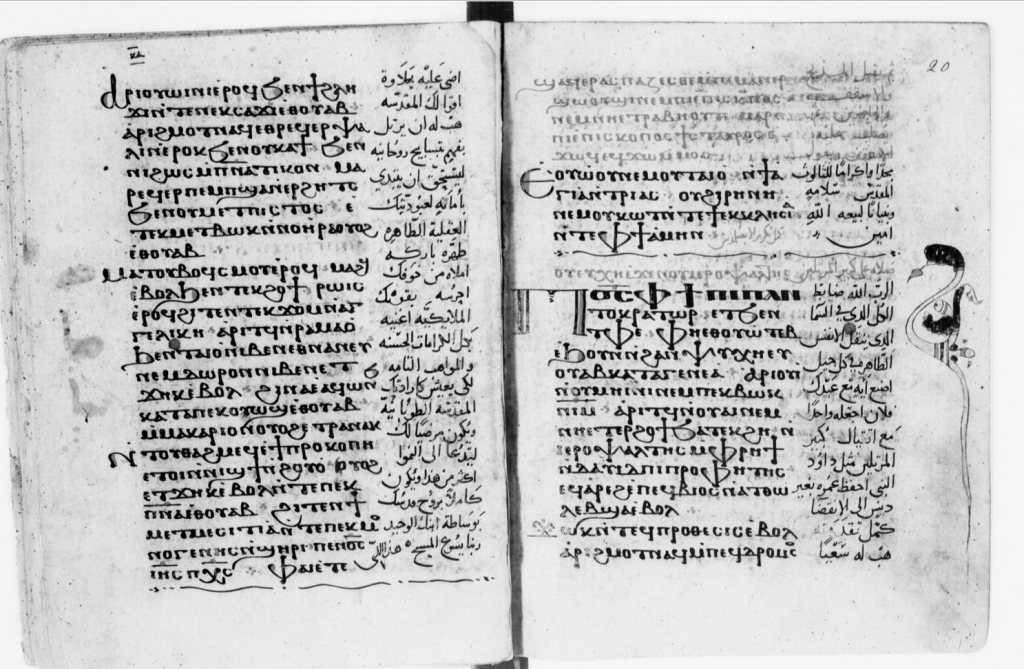
The first witness below, BnF.Copte.98, includes ordination rites for the reader, subdeacon, deacon, chanter and lead cantor, priest, hegumen, monk, schema monk, solitary, nun, schema nun, amma, bishop, metropolitan, and archbishop (patriarch) of Alexandria, as well as the rites of consecration for the baptismal font, altar vessels, paten, chalice, spoon, dyed cloths, icons, and bodies (relics) of the martyrs—in this order.
From this we can ascertain that the “five-leveled progression” in today’s Coptic diaconate was not necessarily conceived of as such traditionally.
BnF.Copte.98
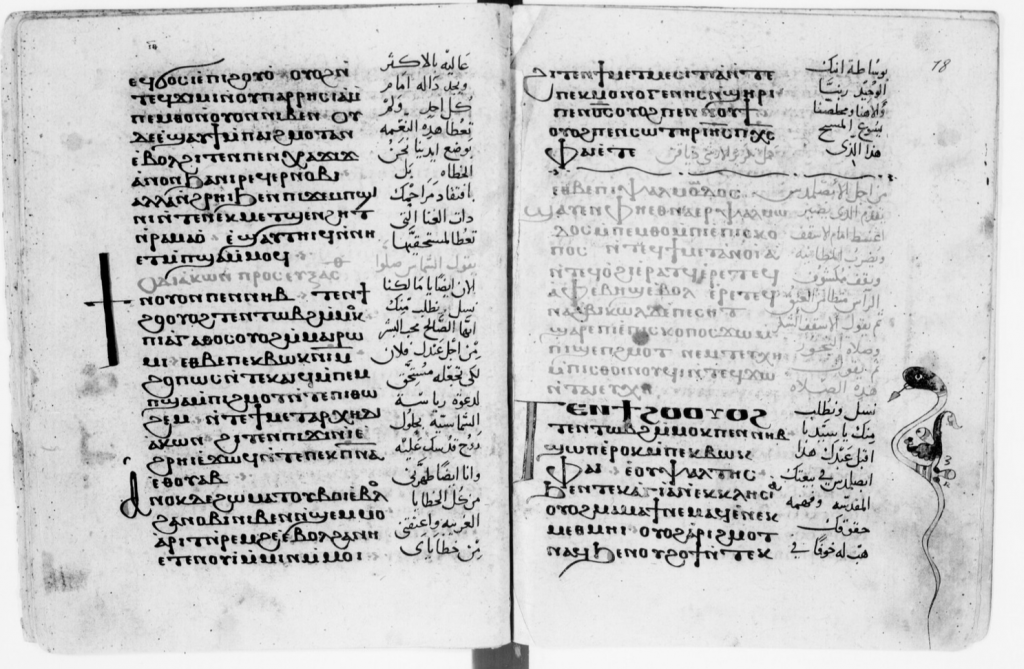
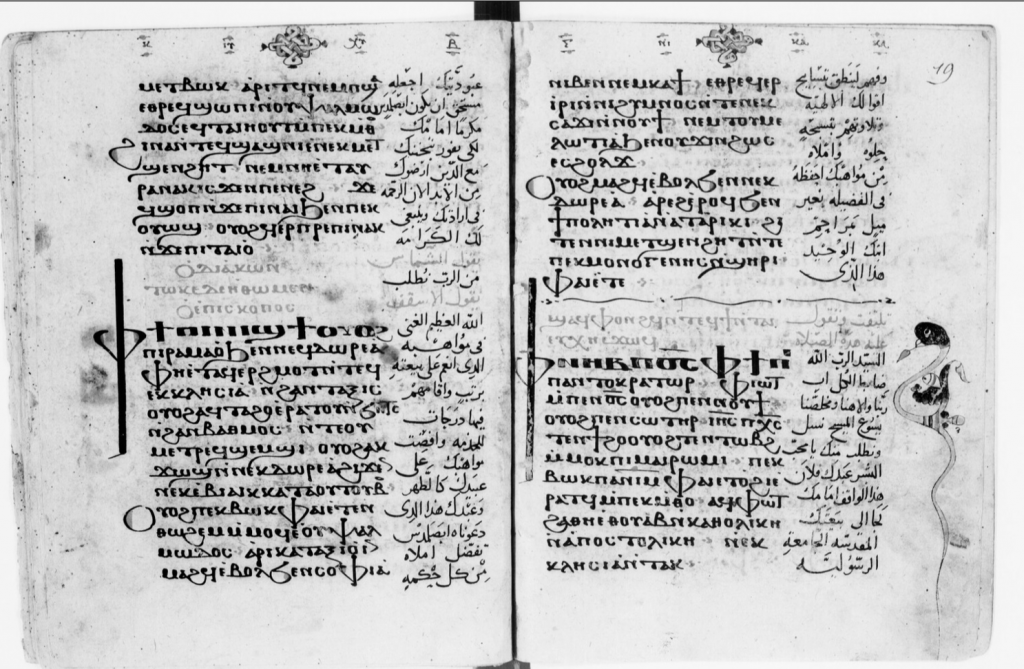

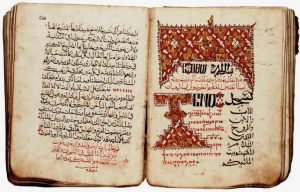
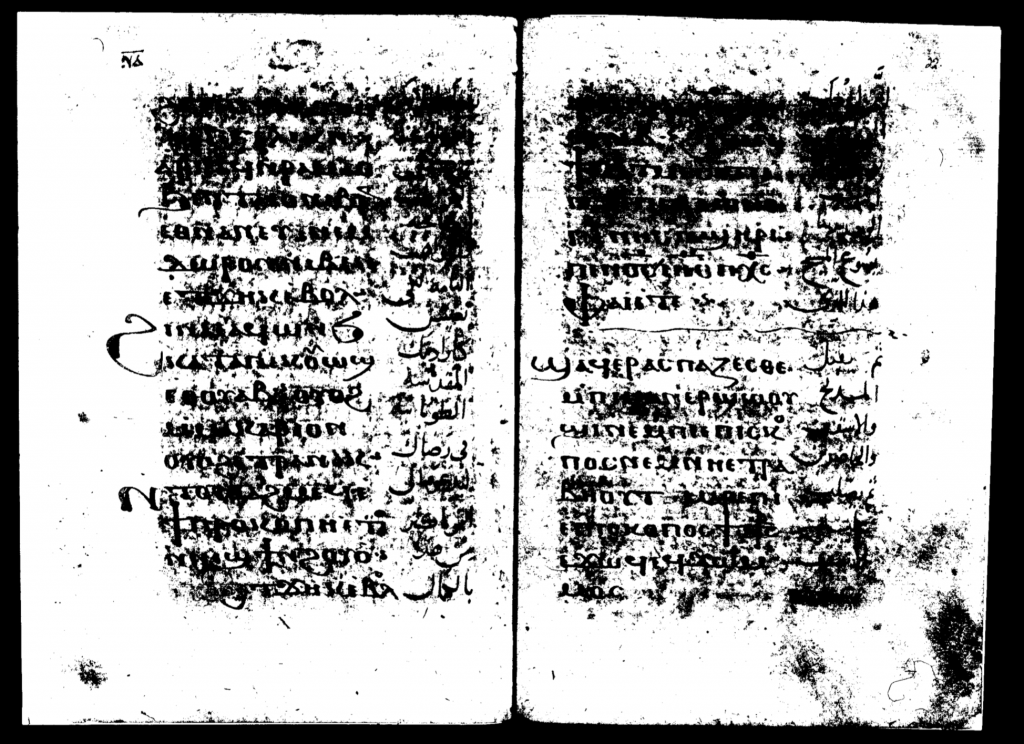
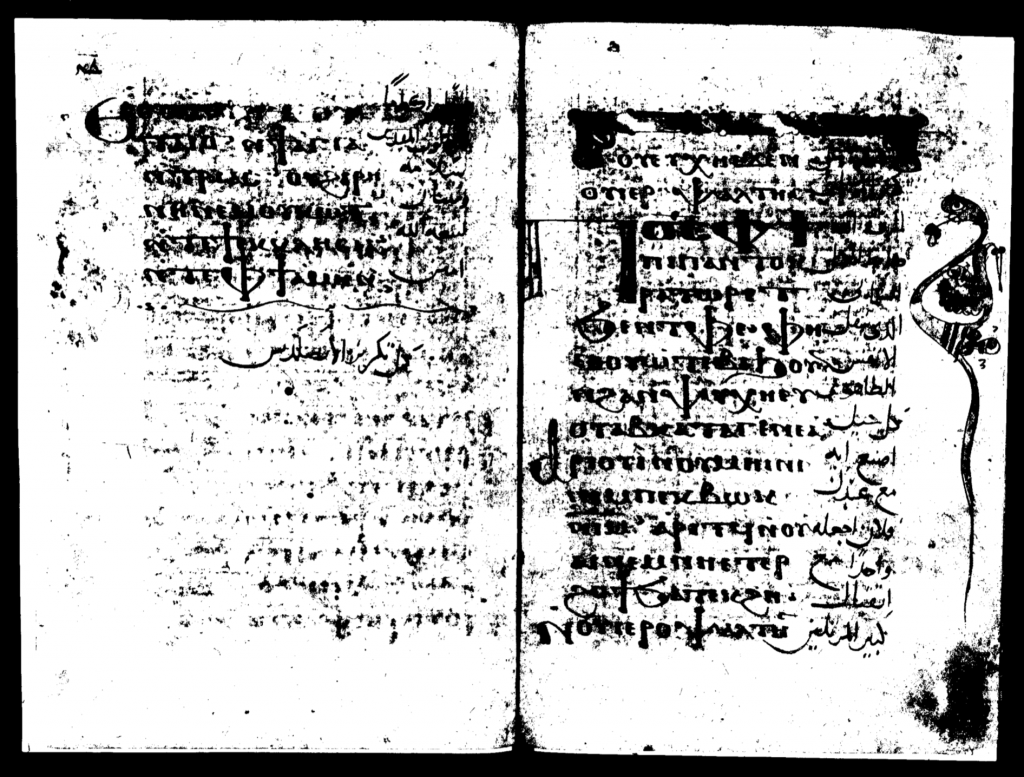
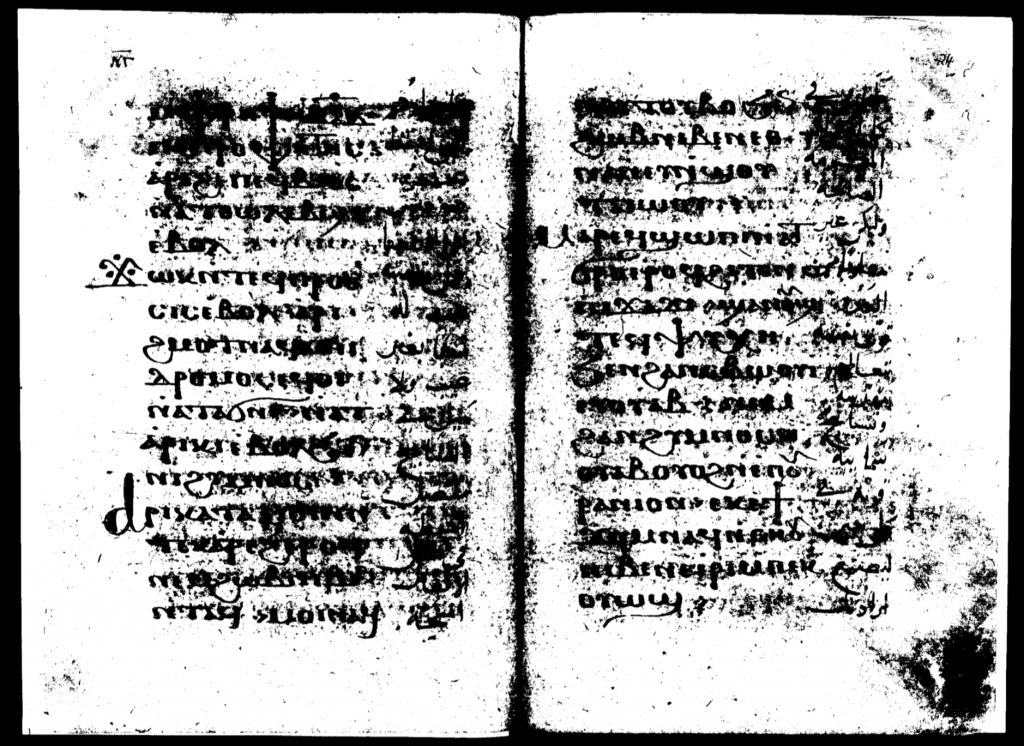
The manuscript below, though it is missing a number of folia, also witnesses to the existence of the ordination rites for the chanter and lead cantor, though the order of prayers is different; here the prayers for these two orders are placed after the ordination of the hegumen and before the ordination of the presbyter.
BL.OR.8774 (AD 1302)


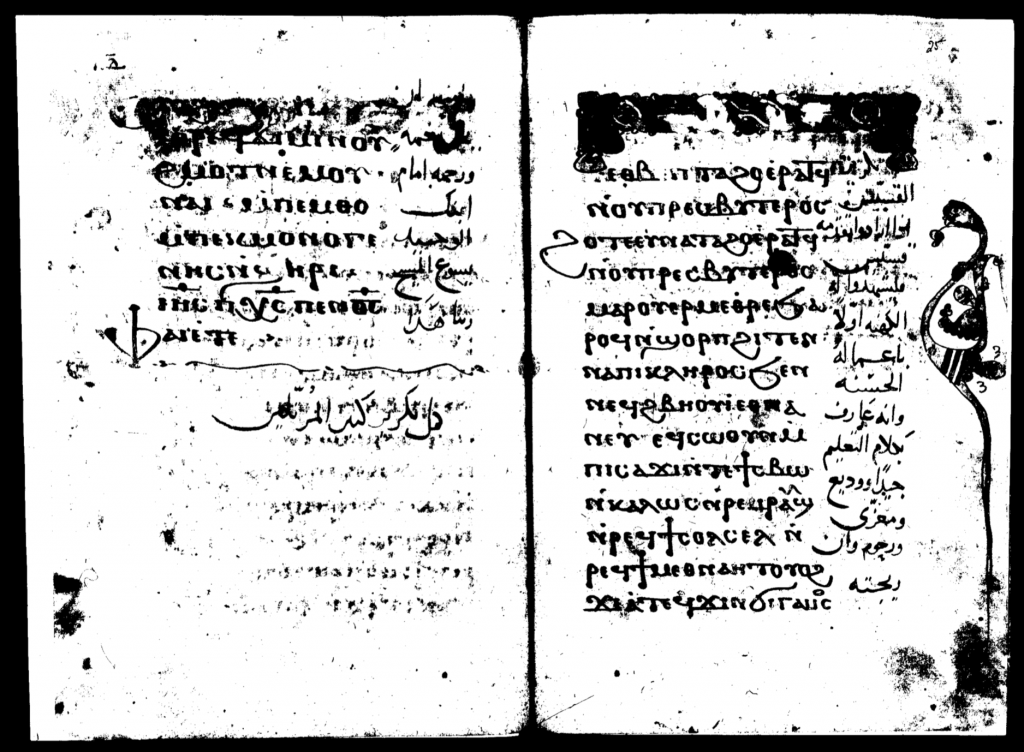
More often than not, later manuscripts of this sort omit the ordination rites for the chanters, as well as those of the other orders such as the monastics, while retaining the prayers for the consecration of the altar vessels. One plausible explanation for this reconfiguration seems to be the focus on the orders and functions of the ⲓⲉⲣⲁⲧⲓⲟⲛ (ἱερατεῖον) that is, the place of the priests. Although this term is translated as sanctuary in Greek, its usage in the Coptic tradition is slightly more complex.
In the Anaphora of Mark/Cyril, the following litanies are prayed, one for the priest himself and the other for the ⲓⲉⲣⲁⲧⲓⲟⲛ:
| Ⲁⲣⲓⲫⲙⲉⲩⲓ ⲡ⳪︦ ⲛ̀ⲧⲁϫⲱⲃⲓ ⲟⲩⲟϩ ⲛ̀ⲧⲁⲗⲉⲡⲱⲣⲟⲥ ⲙ̀ⲯⲩⲭⲏ ⲟⲩⲟϩ ⲙⲏⲓⲥ ⲛⲏⲓ ⲛ̀ⲧⲁⲕⲁϯ ϫⲉ ⲟⲩ ⲡⲉ ϯⲙⲉⲧⲛⲓϣϯ ⲛ̀ⲧⲉ ⲡⲁϫⲓⲛⲟϩⲓ ⲉⲣⲁⲧ ⲉⲡⲉⲕⲑⲩⲥⲓⲁⲥⲧⲏⲣⲓⲟⲛ ⲉ︦ⲑ︦ⲩ︦ ⳾ ⲟⲩⲟϩ ϫⲱϫⲓ ⲉⲃⲟⲗϩⲁⲣⲟⲓ ⲛ̀ϩⲩⲇⲟⲛⲏ ⲛⲓⲃⲉⲛ ⲛ̀ⲧⲉ ϯⲙⲉⲧⲁⲧⲉⲙⲓ ⲛⲉⲙ ⲛⲁ ϯⲙⲉⲧⲁⲗⲟⲩ ⳾ ϩⲓⲛⲁ ⲛ̀ⲧⲉϥϣⲧⲉⲙϣⲱⲛⲓ ⲛⲏⲓ ⲛ̀ϫⲉ ⲫⲁⲓ ⲛ̀ⲟⲩⲉⲧⲫⲱ ϧⲉⲛ ϯⲁⲡⲟⲗⲟⲅⲓⲁ ⲛ̀ⲧⲉ ⲡⲓⲉϩⲟⲟⲩ ⲛ̀ⲧⲉ ⲡⲓϩⲁⲡ ⲉⲧⲟⲓ ⲛ̀ϩⲟϯ ⲉⲧⲉⲙⲙⲁⲩ ⳾ ⲟⲩⲟϩ ⲛⲁϩⲙⲉⲧ ⲉⲃⲟⲗϩⲁ ⲉⲛⲉⲣⲅⲓⲁ ⲛⲓⲃⲉⲛ ⲛ̀ⲧⲉ ϯϫⲟⲙ ⲛ̀ⲁⲛⲧⲓⲕⲓⲙⲉⲛⲟⲥ ⳾ ⲟⲩⲟϩ ⲙ̀ⲡⲉⲣⲧⲁⲕⲟⲓ ⲛⲉⲙ ⲛⲁⲁⲛⲟⲙⲓⲁ ⲟⲩⲇⲉ ⲛ̀ⲛⲉⲕⲙ̇ⲃⲟⲛ ϣⲁ ⲉⲛⲉϩ ⳾ ⲛ̀ⲧⲉⲕⲁⲣⲉϩ ⲉⲛⲁⲡⲉⲧϩⲱⲟⲩ ⲛⲏⲓ ⳾ ⲁⲗⲗⲁ ⲙⲁⲧⲁⲙⲟⲓ ϩⲱ ⲉⲧⲉⲕⲙⲉⲧⲁⲅⲁⲑⲟⲥ ⲛ̀ϧⲏⲧ ⲟⲩⲟϩ ⲛⲁϩⲙⲉⲧ ϧⲁ ⲡⲓⲁⲧⲙ̇ⲡϣⲁ ⲕⲁⲧⲁ ⲡⲉⲕⲛⲁⲓ ⲉⲧⲟϣ ⲉϩⲣⲏⲓ ⲉϫⲱⲓ ⳾ ϩⲓⲛⲁ ⲛ̀ⲧⲁⲥⲙⲟⲩ ⲉⲣⲟⲕ ⲛ̀ⲥⲏⲟⲩ ⲛⲓⲃⲉⲛ ⲛ̀ⲛⲓⲉϩⲟⲟⲩ ⲧⲏⲣⲟⲩ ⲛ̀ⲧⲉ ⲡⲁⲱⲛϧ | Remember, O LORD, my weakness and my wretched soul, and grant unto me that I may understand the greatness of my standing before Your holy altar, and cut off from me all pleasures of ignorance and those of youth that this might not be a burden to me in the answer of that fearful day of judgment, and save me from every work of the adverse power, and do not destroy me with my iniquities, nor be angry with me forever that You keep my evils for me, but rather show me, too, Your goodness in me, and save me, I the unworthy, according to Your vast mercy upon me that I may bless You at all times, all the days of my life. |
| Ⲁⲣⲓⲫⲙⲉⲩⲓ ⲡ⳪︦ ⲙ̀ⲡⲁⲓⲕⲉⲓⲉⲣⲁⲧⲓⲟⲛ ⲉ︦ⲑ︦ⲩ︦ ⲛ̀ⲧⲁⲕ ⲫⲁⲓ ⲛⲉⲙ ⲧⲁⲅⲙⲁ ⲛⲓⲃⲉⲛ ⲛ̀ⲓⲉⲣⲁⲧⲓⲕⲟⲛ ⲛ̀ⲟⲣⲑⲟⲇⲟⲝⲟⲥ ⲛⲉⲙ ⲡⲉⲕⲗⲁⲟⲥ ⲧⲏⲣϥ ⲉⲧⲟϩⲓ ⲉⲣⲁⲧϥ ⲛⲁϩⲣⲁⲕ ⳾ ⲁⲣⲓⲡⲉⲛⲙⲉⲩⲓ ϩⲱⲛ ⲡ⳪︦ ⳾ ⲡ⳪︦ ϧⲉⲛ ϩⲁⲛⲛⲁⲓ ⲛⲉⲙ ϩⲁⲛⲙⲉⲧϣⲉⲛϩⲏⲧ ⲟⲩⲟϩ ⲥⲱⲗϫ ⲛ̀ⲛⲉⲛⲁⲛⲟⲙⲓⲁ ϩⲱⲥ ⲁⲅⲁⲑⲟⲥ ⲟⲩⲟϩ ⲙ̀ⲙⲁⲓⲣⲱⲙⲓ ⳾ Ⲫϯ ⲁⲣⲓϣⲫⲏⲣ ⲛ̀ϣⲱⲡⲓ ⲛⲉⲙⲁⲛ ⲉⲛϣⲉⲙϣⲓ ⲙ̀ⲡⲉⲕⲣⲁⲛ ⲉ︦ⲑ︦ⲩ︦ ⳾ | Remember, O LORD, this holy priesthood that is Yours and every orthodox priestly order and all Your people standing before You. Remember us, too, LORD—O LORD, with mercies and compassions—and blot out our iniquities, as Good One and Lover of Mankind. O God, be present with us serving Your holy name. |
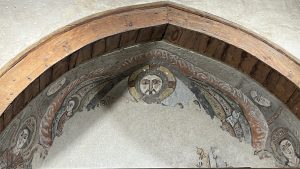
Here, the priest offers up prayers on behalf of those standing before the LORD, in service of His holy name. And it is this standing place that the Copts refer to as they apply the word ⲓⲉⲣⲁⲧⲓⲟⲛ to the place in which the ⲗⲁⲕⲕⲁⲛⲏ is prayed on the Epiphany Feast.
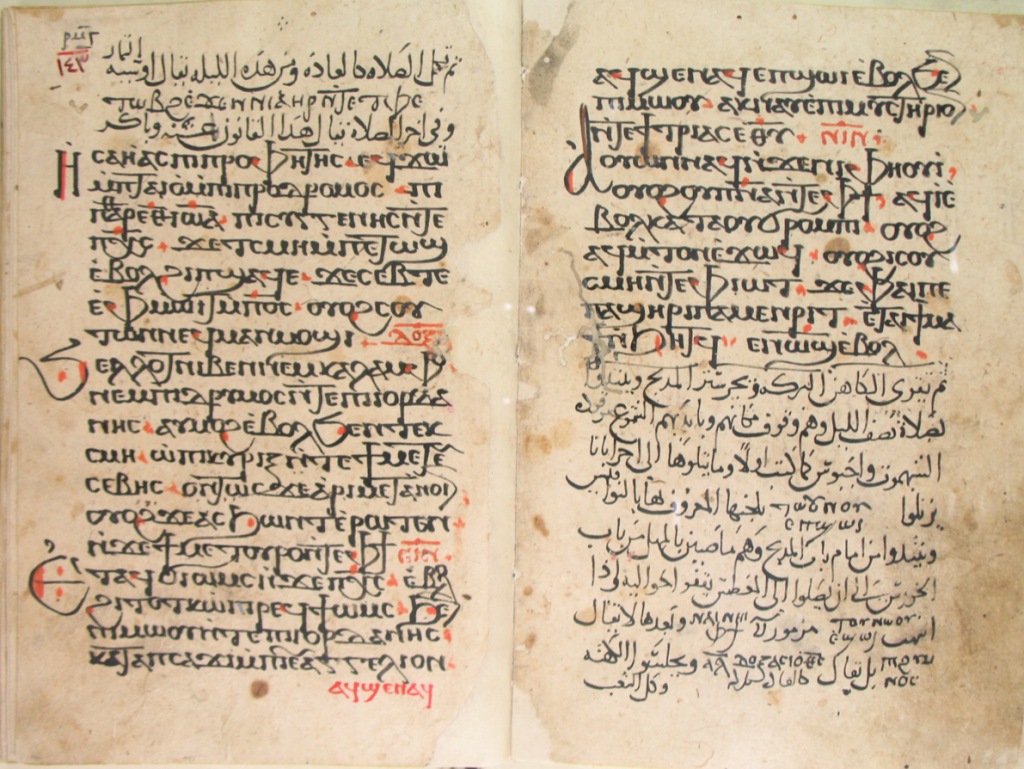
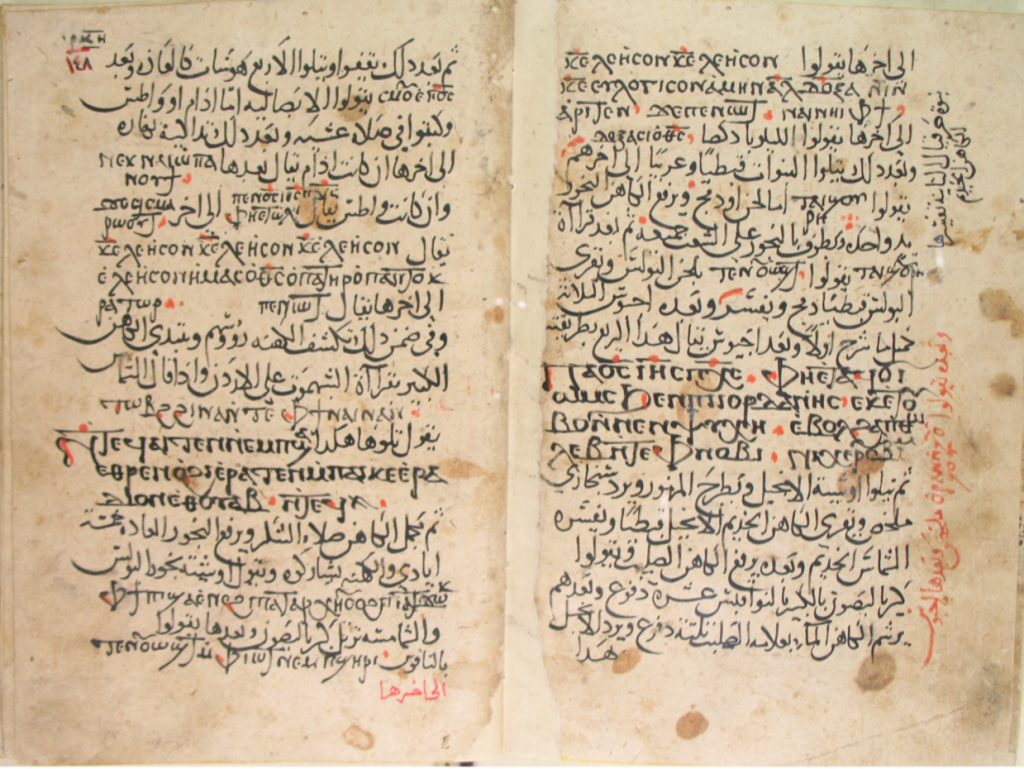
According to the above manuscript, Ordo of the Patriarchate (AD 1444), the place in which the priests stand to pray the ⲗⲁⲕⲕⲁⲛⲏ (which is, for this occasion, located in the western end of the nave) is also referred to as the ⲉⲣⲁⲇⲓⲟⲛ; the diaconal response ⲧⲱⲃϩ ϩⲓⲛⲁ is to include the statement, «ⲛ̀̀ⲧⲉϥⲁⲓⲧⲉⲛ ⲛ̀ⲉⲙϣⲡⲁ ⲉⲑⲣⲉⲛⲟϩⲓ ⲉⲣⲁⲧⲉⲛ ⲙ̀ⲡⲁⲓⲕⲉⲓⲉⲣⲁⲧⲓⲟⲛ ⲉⲑⲟⲩⲁⲃ ⲛ̀ⲧⲉϥⲭⲁ…» “that He may us worthy to stand in this holy priestly place, and forgive us…”
And it is this very same ⲓⲉⲣⲁⲧⲓⲟⲛ that is referred to in the commandment given by the archdeacon to a newly ordained reader which says, “My son, this is the first step/degree of the priestly place (ⲡⲓⲓⲉⲣⲁⲧⲓⲟⲛ) into which you have been brought; entering into it, … to learn, one by one, the readings of the holy scriptures, breaths of God, these which you have been entrusted with to catechize the people. This is a great matter requiring the one who is appointed to it (lit. standing upon it) to be like a lamp shining upon the lampstand…”
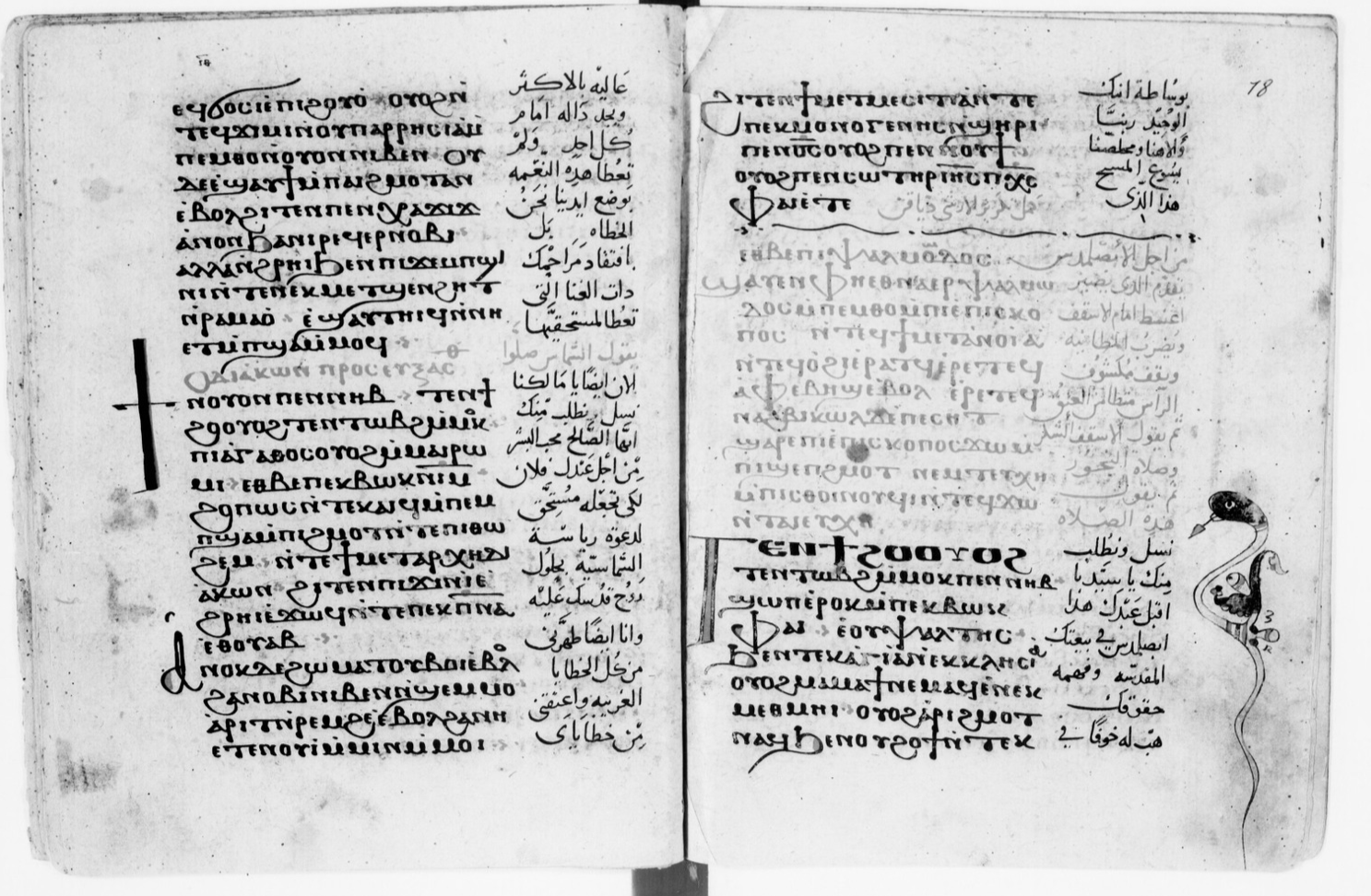
BL.OR.434
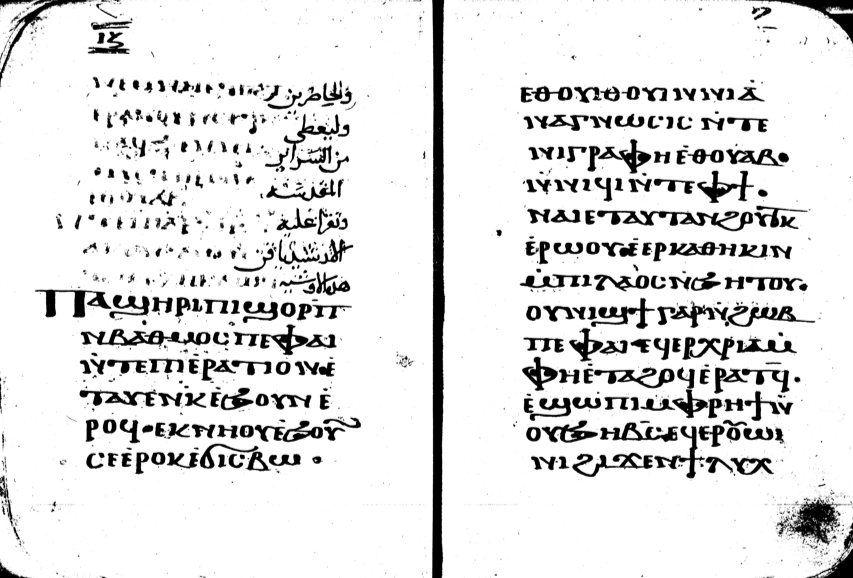
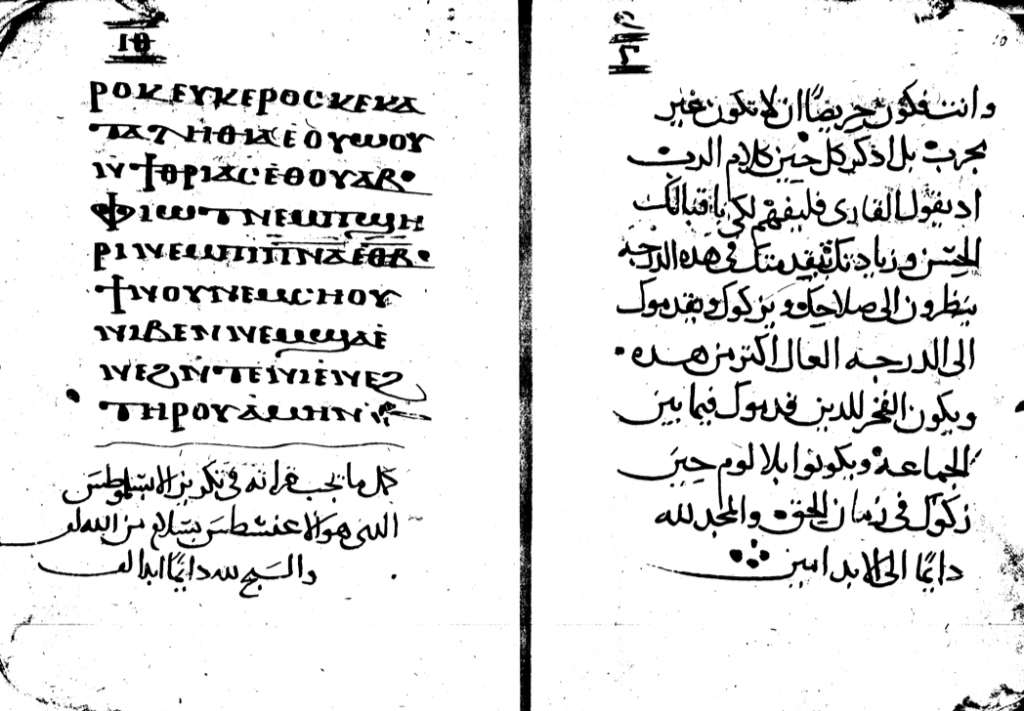
What struck me most in this particular manuscript, aside from the Coptic text of the commandment above (which may be translated from the Arabic—open to thoughts on this!), is the note at the end of the rites for the ordination of a reader, below, which states:
“That which ought to be read/prayed for the consecration of the chanter (الابسلموطس) who is the reader (الاغنسطس) is completed with peace from God, and praise be to God at all times and forever…” Seems to be a confusion or intermingling of these orders at the time/place of this transcription.
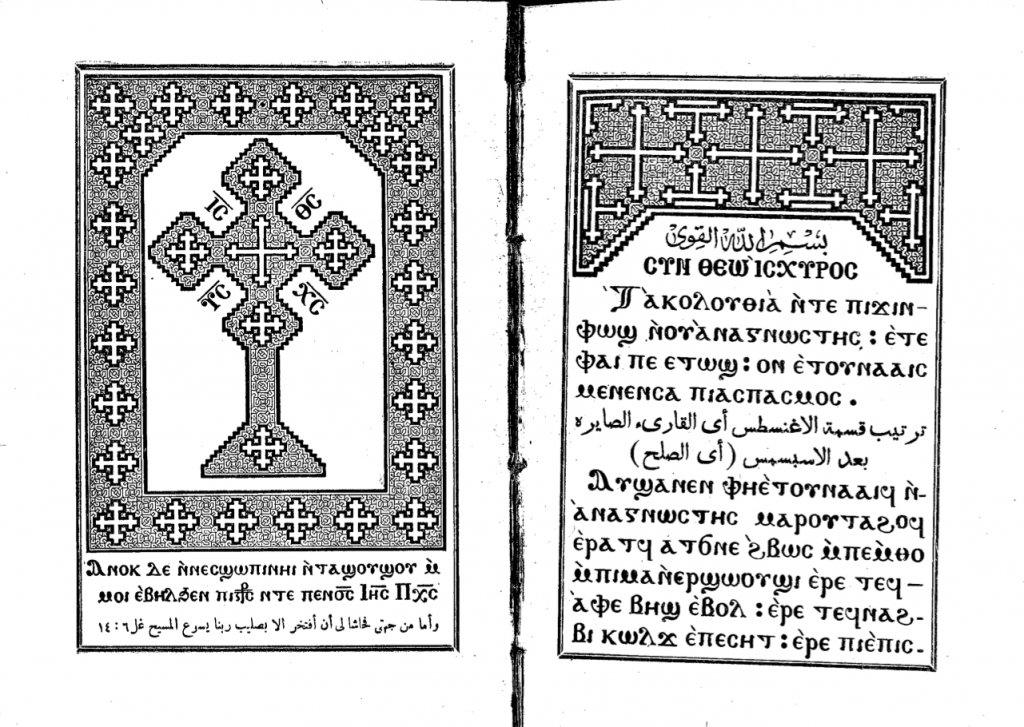
Now then, returning to the ⲓⲉⲣⲁⲧⲓⲟⲛ, later manuscripts of ordination and consecration rites seem to be reconfigured to include only the prayers specific to the orders of those who serve with the priests or in the priestly orders and the prayers which are performed upon the priestly table and vessels. One cannot help but suggest the correlation between this finding and the title of the ordination book published first in 1959: “The Order of the Share of the Orders of the Priesthood from the Reader to the Hegumen. The Consecration of the Altar Vessels”

And as the title clearly states, the first order is the ordination of the reader.
When the work was published again, however, in 1993, it contained the prayers for the ordination of the chanter—hence, the misconception that His Holiness Pope Shenouda III was the one who instituted the order. From the evidence set out above, this is clearly not the case, however, PSIII did attempt to restore the order of chanter upon the recommendation of the scholars surrounding him during the early period of his papacy. As you can see below, the prayers were included only in Arabic and the title of the chanter was changed from ⲯⲁⲗⲙⲱⲇⲟⲥ to “ابصالتس.”
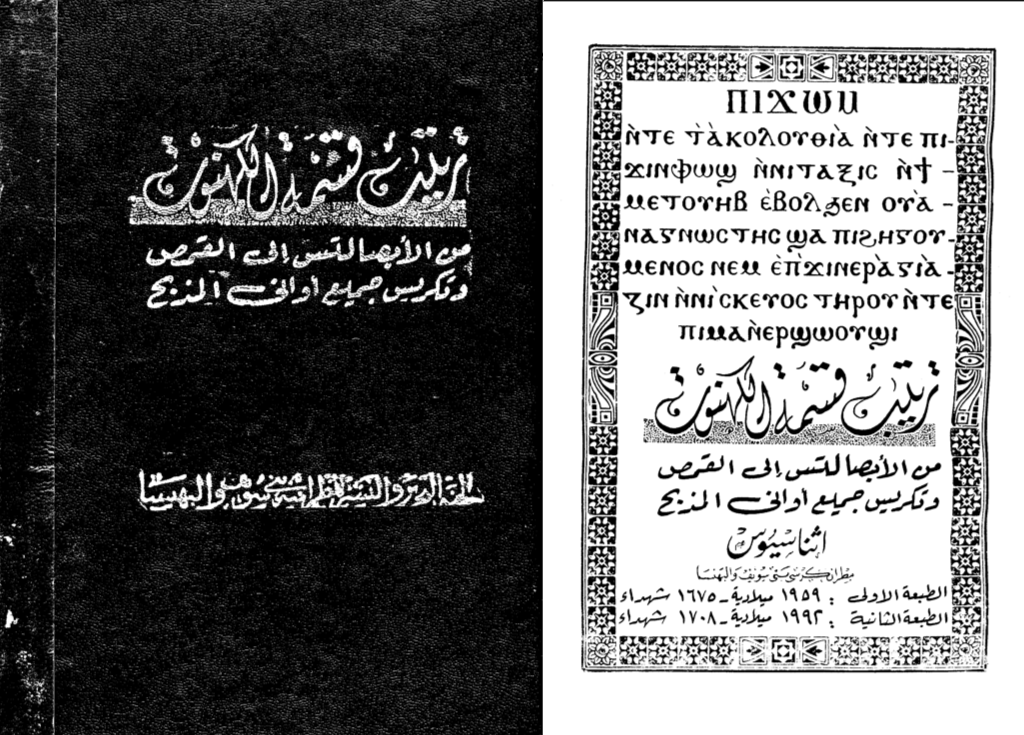
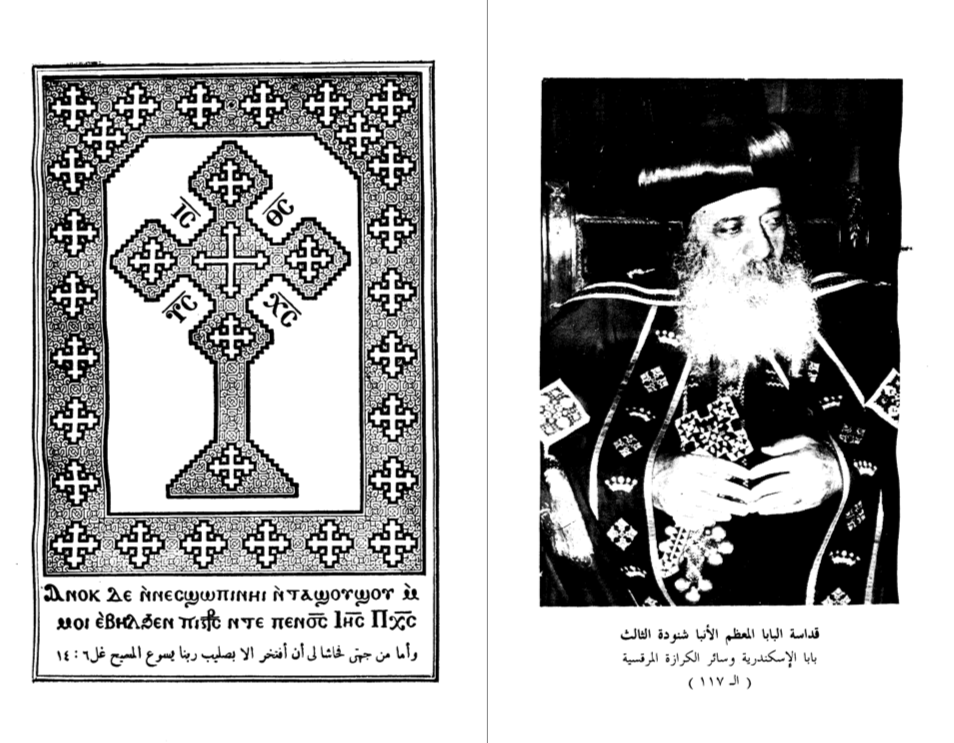
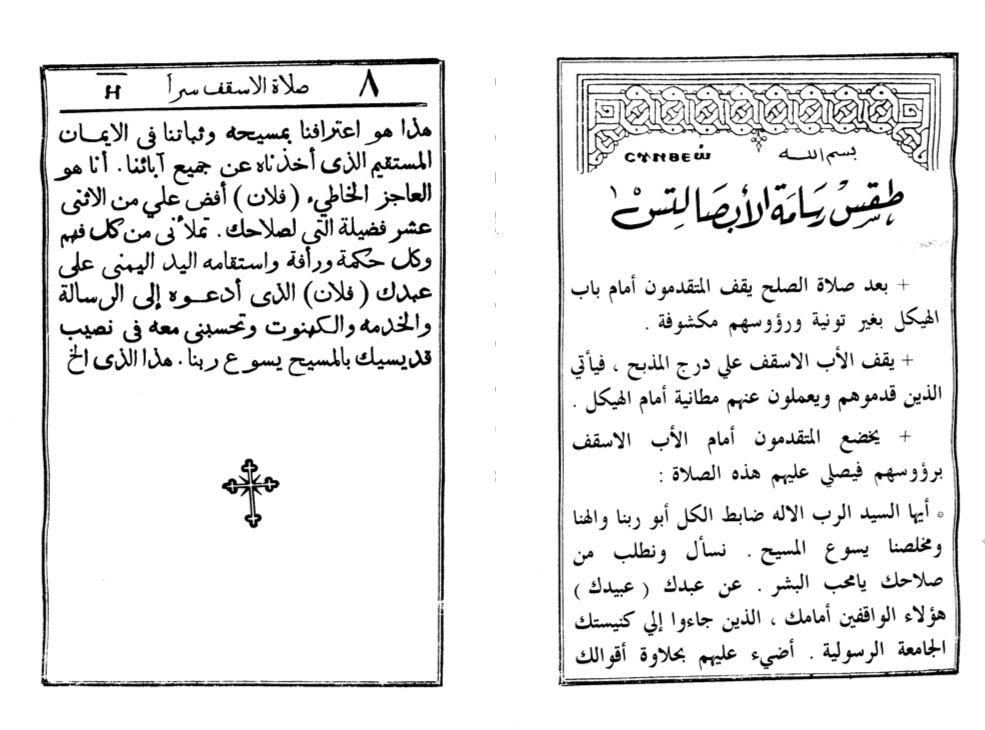
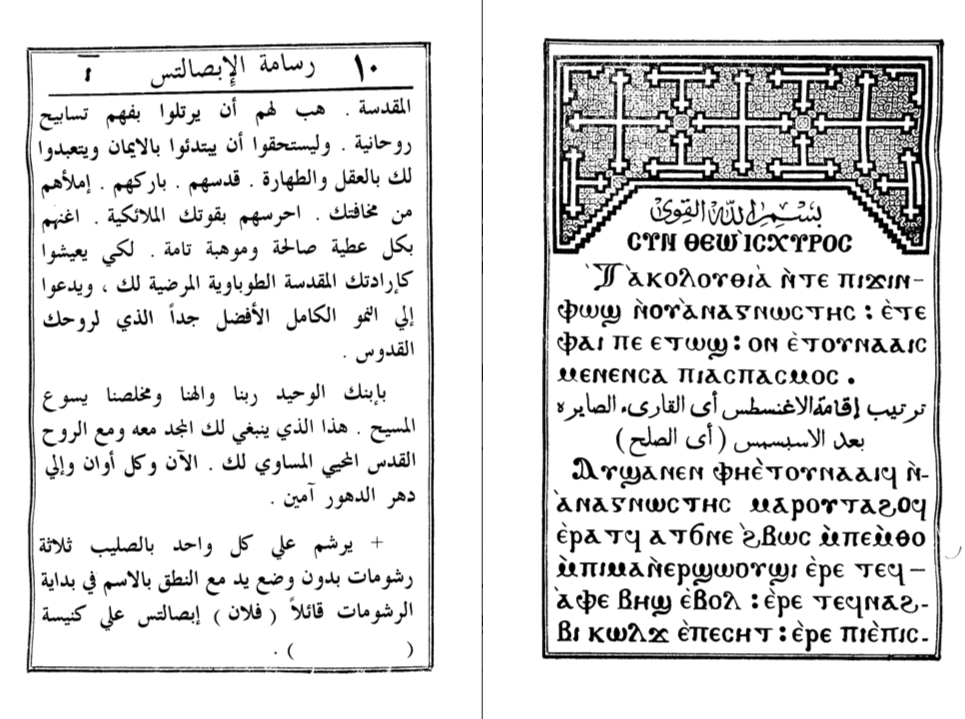
In the above publication, only one of the three prayers for the chanter were included. Later recensions of this ordination rite include an additional prayer in Arabic composed by PSIII—another factor in the misconception.
Now that we have established that the order of chanter is an ancient order in the Coptic tradition and that it has been revived or reinstated, we must address what I believe to be a critical error in the ordination of the chanters (as well as readers and subdeacons): the vestment(s).
Despite the explicit instructions in the ordination rite itself not to be vested, Coptic chanters today are vested in the priestly garment commonly known as the “tonia.” In fact, some parents do not wait until their child is actually ordained a chanter; they just buy a vestment, put it on their boys, and hand the lad to someone standing in the choir, even before they can walk! And while I can certainly understand the yearning of a parent aspiring to raise their child in the way of the LORD, this is (unintentional) utter disrespect to and ignorance of the holy orders of the Church.
The ordinations of the chanters (as well as readers and subdeacons) specifically state that they are to stand before the altar door, without vestments, with their heads uncovered, bowing their neck/shoulders. For even further clarity, any of the orders which do attain priestly vestments are instructed to don them at the appropriate time; for example, if one is to be ordained a deacon, he is to approach the altar door without vestment and is given the ⲟⲩⲣⲁⲛⲓⲟⲛ (orarion/epitrachelion) on his left shoulder at the end of the ordination; if one is to be ordained a presbyter, however, he is to approach the altar door vested as a deacon (with the tunic and the ⲟⲩⲣⲁⲛⲓⲟⲛ) and after the ordination he is given ϯⲥⲧⲟⲗⲏ (bornos). For our purposes here, I am only providing basic information. For more detail regarding liturgical vestments in the Coptic tradition, please see Fr. Arsenius Mikhail’s works:
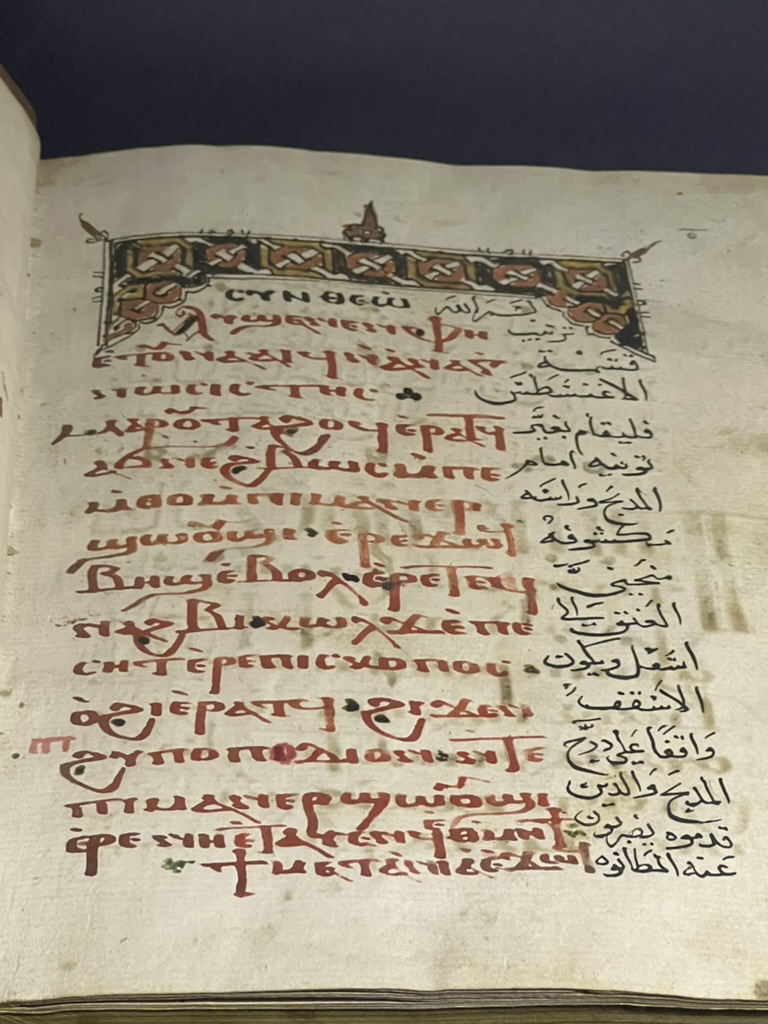
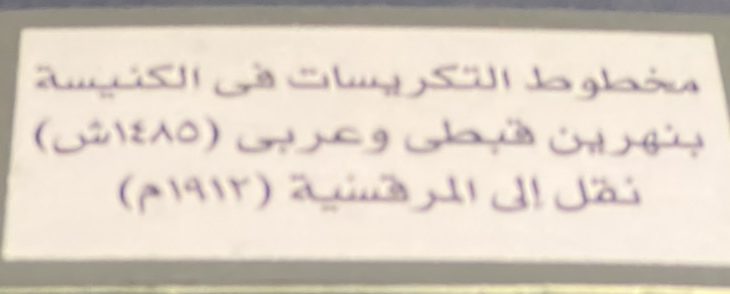
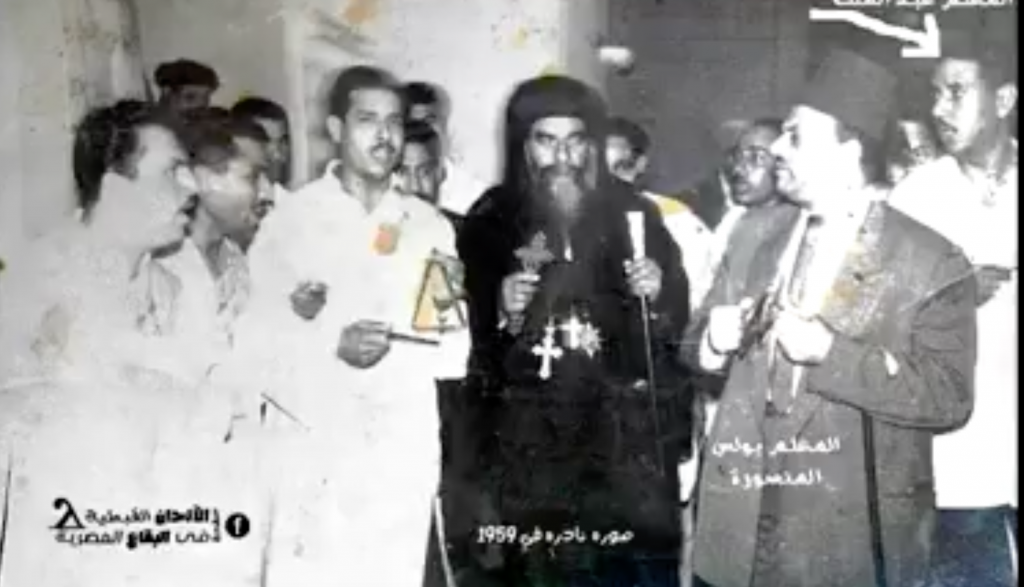
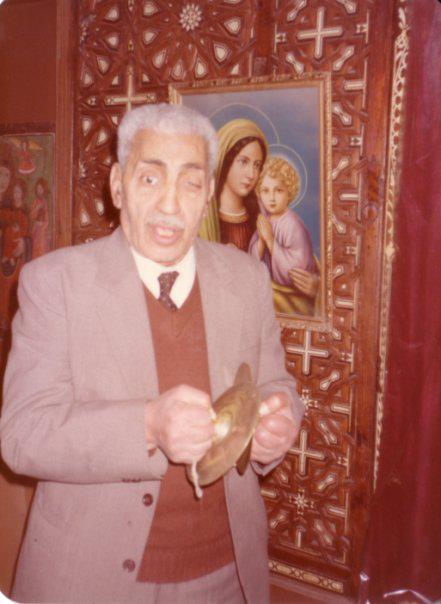
The practice of chanters not vesting in liturgical garments still remains until today, albeit seldomly! Take a look at some of these photos and videos; I hope you enjoy them as much as I have!
Cantor Adib Atiya Gendy of Sohag

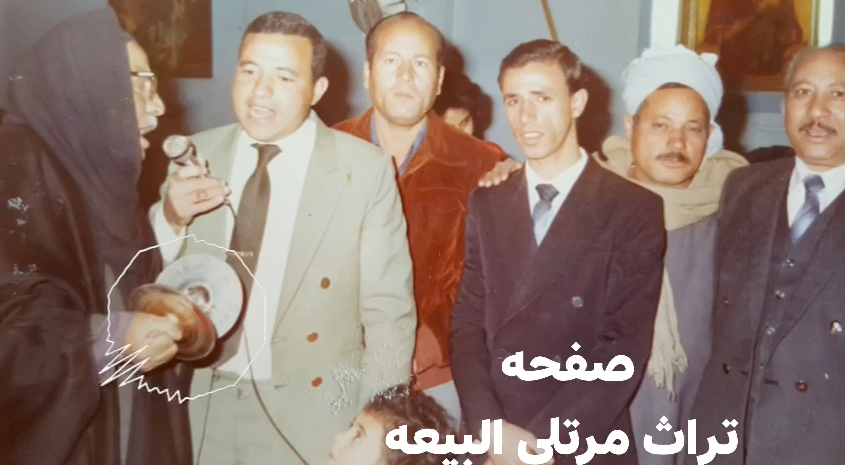
Cantor Samuel Ghaly of Manfalout
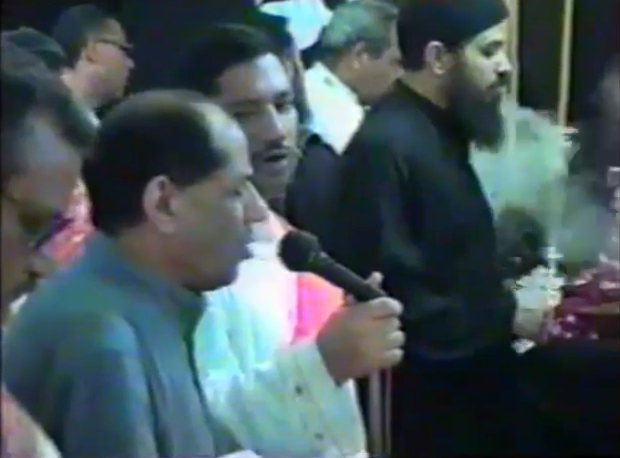
Cantor Abdo Isaac of Mallawi
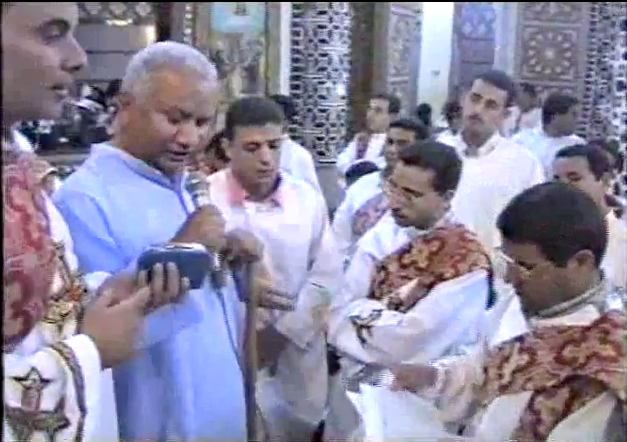
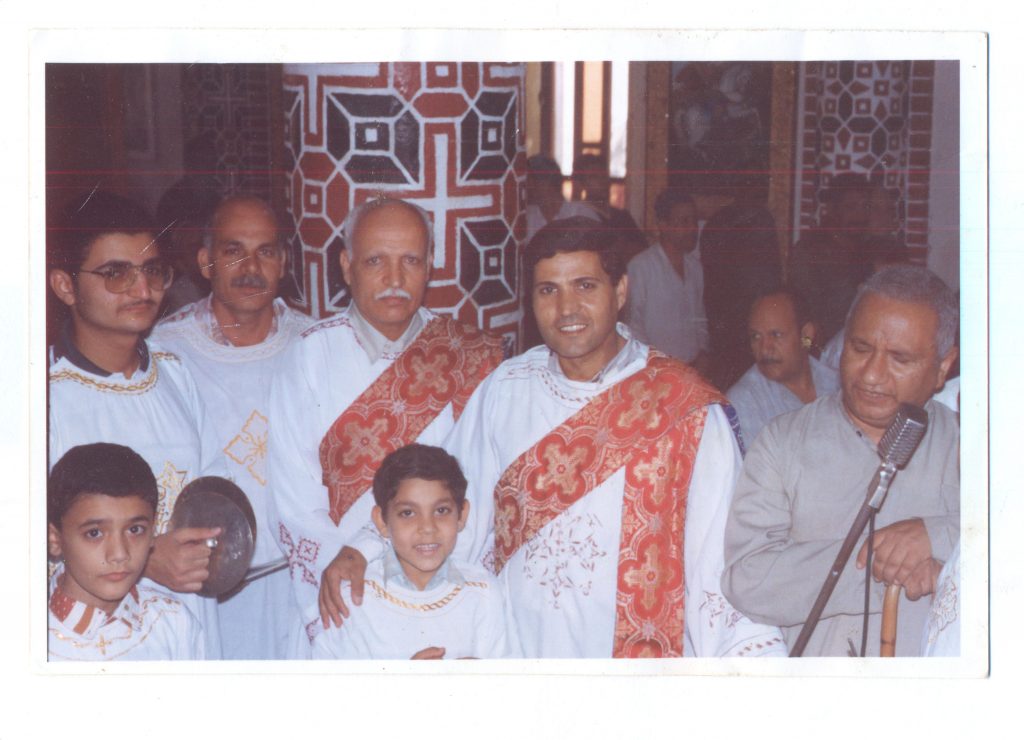
Cantor Habib Hennawy
Cantor Boulos of Mansoura & Cantor Abd al-Malik of Domyat
Cantor Attia Sawirus of Asyut
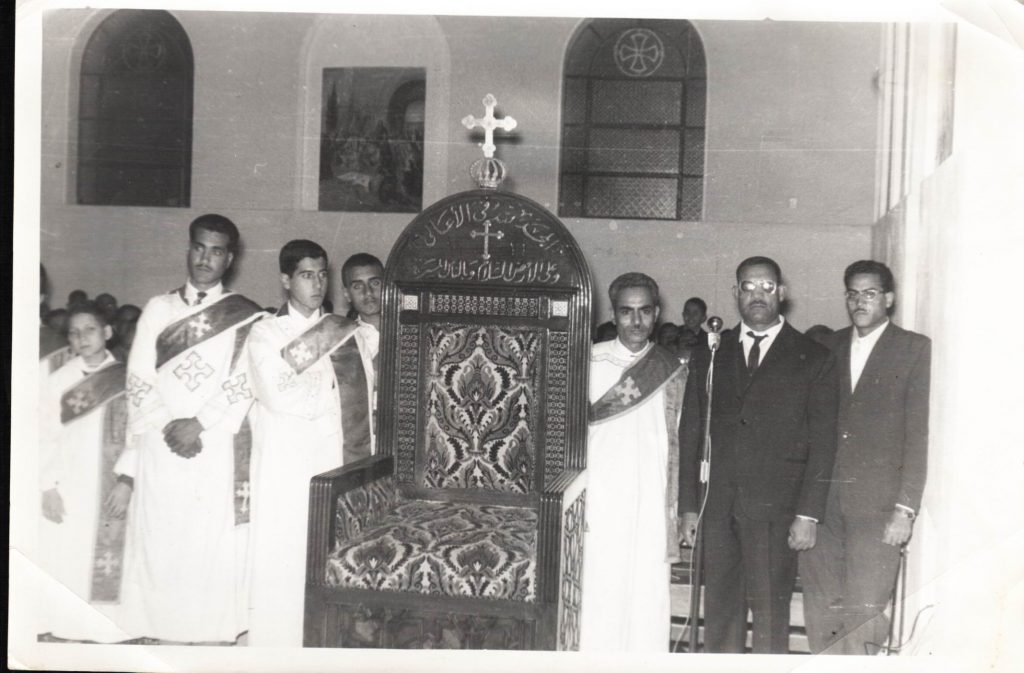
Dn. Ibrahim Ayad as a young lad receiving the relics of our apostle, St. Mark
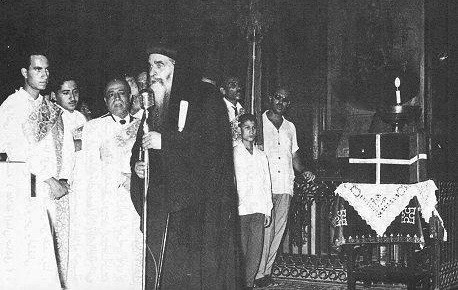
Cantor Wahba ‘Aryan of Alexandria
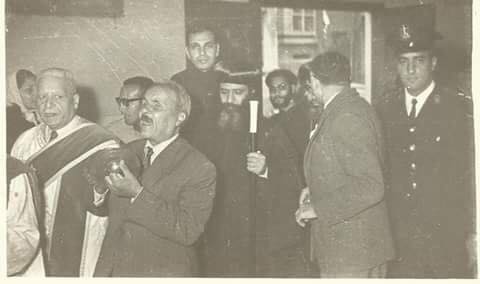
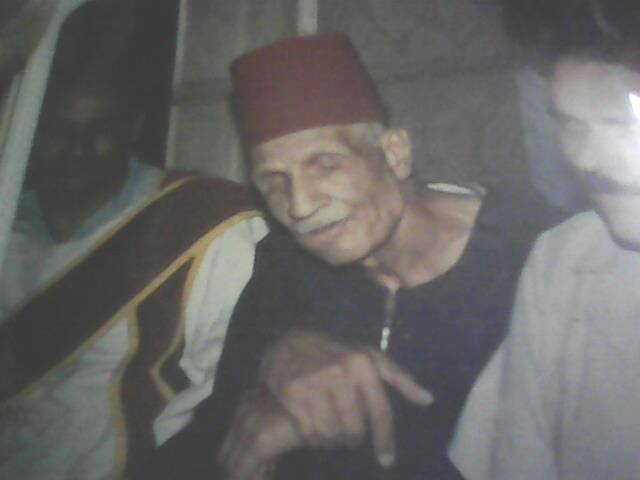
Cantor Farag Abd al-Masih
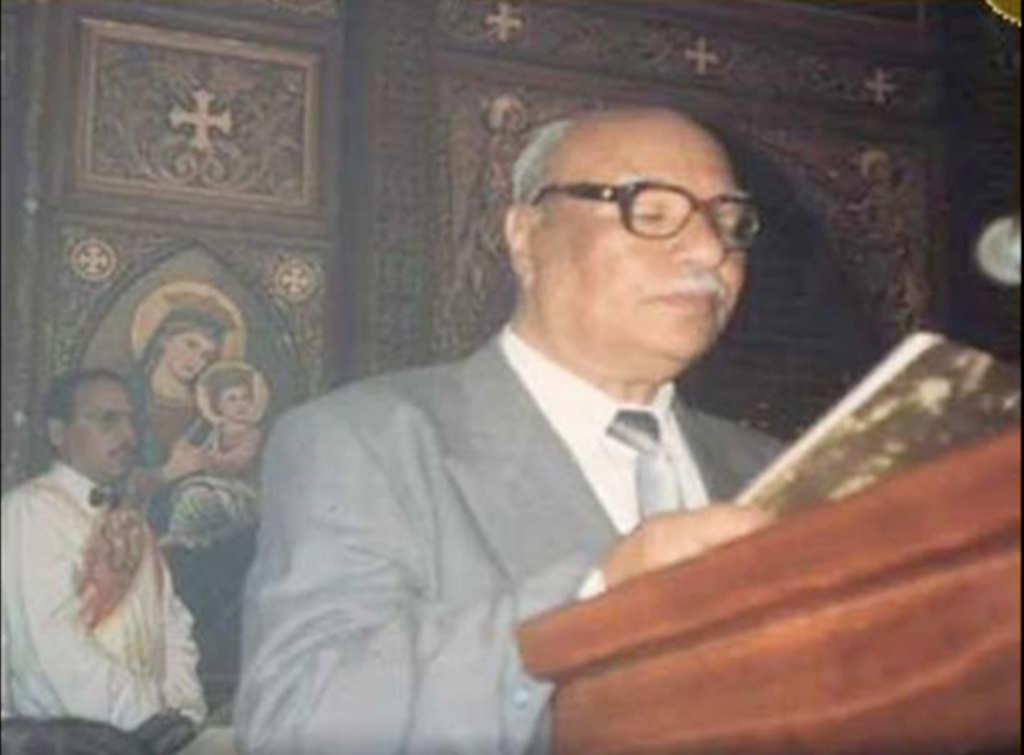
Cantor Mikhail Girgis al-Batanuny and Dn. Fahim Girgis Rizk
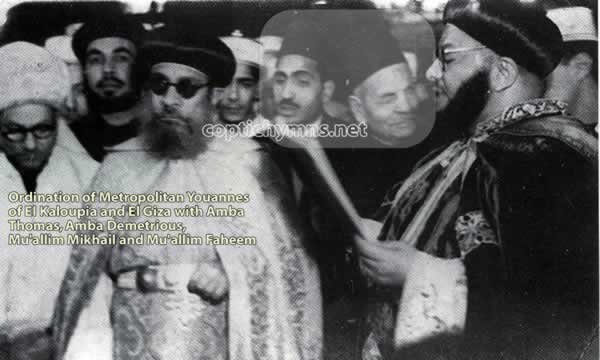
Dn. Fahim Girgis Rizk
Since the topic of female chanters has come up in recent days, I also feel the need to share a few additional thoughts. The vesting of the chanters in liturgical garments and elevating them onto the ⲓⲉⲣⲁⲧⲓⲟⲛ has created an architectural separation, if you will, between a select group of young men, and the rest of the laity, both men and women! Given that the chanters are a minor order, they ought not to be separated from the rest of the congregants in such a manner; restoring them to their place among the people, will enhance the general experience of all the laity chanting together, male and female, without the requirement of ordination or vesting for a particular group.
We must also consider that all rubrics and manuscripts referenced until this point in our discussion here have been witnesses of the practices during the Middle Ages! The Coptic Rite as we know it today is highly influenced by this specific time period simply because we have very little detailed information prior to the 13th to 14th centuries about our liturgical tradition—most of what exists prior to that is fragmental with but a few exceptions. So we must also take into consideration the evidence of female chanters in the churches of Egypt in the early centuries!
In his 95th letter, St Isidore of Pelusium, a contemporary of St Cyril of Alexandria, writes (PG 78, col 244-245):
| Κ. — ΤΟ ΑΥΤΟ. *Οτι ἀποστολικὸν τὸ ἐν ἐκκλησίαις ψάλλειν γυ ναῖκας, καὶ περὶ ἀσκητριών. Τὰς ἐν ἐκκλησίαις φλυαρίας καταπαῦσαι βουλόμενοι οἱ τοῦ Κυρίου ἀπόστολοι, καὶ τῆς ἡμῶν παι δευταὶ καταστάσεως, ψάλλειν ἐν αὐταῖς τὰς γυναῖκας συνετῶς συνεχώρησαν. Αλλ’ [ὡς] πάντα εἰς τού ναντίον ἐτράπη τὰ θεοφόρα διδάγματα, καὶ τοῦτο εἰς Εκλυσιν καὶ ἁμαρτίας ὑπόθεσιν τοῖς πλείοσι γέγονε. Καὶ κατάνυξιν μὲν ἐκ τῶν θείων ὕμνων οὐχ ὑπομένουσι· τῇ δὲ τοῦ μέλους ἡδύτητι εἰς ἐρεθισμὸν παθημάτων χρώμενος (88), οὐδὲν αὐτὴν ἔχειν πλέον τῶν ἐπὶ σκηνῆς ᾀσμάτων λογίζονται. Χρή τοίνυν, εἰ μέλ λαμεν τὸ τῷ θεῷ ἀρέσκον ζητεῖν, καὶ τὸ κοινῇ συμφέρον ποιεῖν, παύειν ταύτας καὶ τῆς ἐν ἐκκλησίᾳ ᾠδῆς, καὶ τῆς ἐν πόλει μονῆς, ὡς Χριστοκαπήλους, καὶ τὸ θεῖον χάρισμα μισθὸν ἀπωλείας ἐργαζομένας. | Κ. — To the Same That it is apostolic for women to sing in the churches, and concerning female ascetics. Wishing to put an end to the chatter occurring in the churches, the apostles of the Lord—our teachers in the life befitting us—permitted women to sing in them with understanding. But as all the God-bearing teachings have been turned to their opposite, so also this has become, for most people, a cause of moral laxity and occasion for sin. They do not endure compunction from the divine hymns; instead, using the sweetness of the melody for the arousal of passions, they consider this singing to have nothing more than the songs performed on the stage. Therefore, if we are going to seek what pleases God and accomplish what is beneficial for all, we must prohibit these women both from singing in the church and from living in the city, as those who traffic in Christ and turn the divine gift into a wage of destruction. |
In keeping with the words of Isidore, I believe we must give more time and thought as to whether our chant is for God’s glory or for our own desires. Perhaps we can restore a sense of compunction and prayer by making adjustments to the method by which we chant and a return to the rubrics as handed down to us, understanding the mindset in which they derived.
I wish and pray that the chanters would return to their rightful place among the laity, and that they be trained well in their work to offer sweet praise to the Lord, lifting the hearts of all members of the body, male and female, unto our loving God.