An interesting tidbit today from working on the Psalmody!
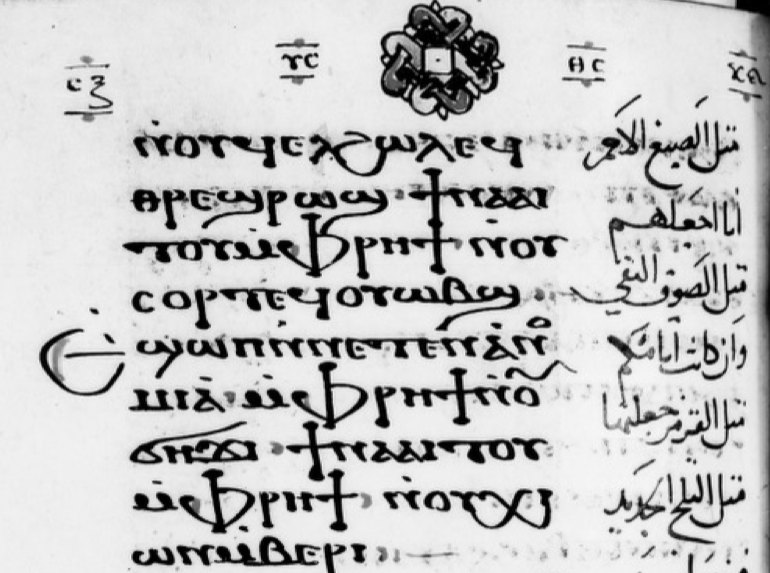
In one of the interpretations of the Sunday ⲑⲉⲟⲧⲟⲕⲓⲁ, the author references Isaiah 1:18:
ⲟⲩⲟϩ ⲁⲙⲱⲓⲛⲓ ⲙⲁⲣⲉⲛⲥⲁϩⲱⲛ ⲡⲉϫⲉ ⲡ⳪ ⲟⲩⲟϩ ⲉϣⲱⲡ ⲉⲣⲉ ⲛⲉⲧⲉⲛⲛⲟⲃⲓ ⲟⲓ ⲙ̀ⲫⲣⲏϯ ⲛ̀ⲟⲩⲫⲟⲓⲛⲓⲕⲟⲩⲙ ⲉⲓⲉⲑⲣⲟⲩⲟⲩⲃⲁϣ ⲙ̀ⲫⲣⲏϯ ⲛ̀ⲟⲩⲭⲓⲱⲛ ⲟⲩⲟϩ ⲉϣⲱⲡ ⲉⲩⲟⲓ ⲙ̀ⲫⲣⲏϯ ⲛ̀ⲟⲩⲕⲟⲕⲕⲟⲥ ϯⲛⲁⲑⲣⲟⲩⲟⲩⲃⲁϣ ⲙ̀ⲫⲣⲏϯ ⲛ̀ⲟⲩⲥⲟⲣⲧ ⲛ̀ⲟⲩⲱⲃϣ
And come, let us reason together, saith the Lord: and though your sins be as purple, I will make them white as snow; and though they be as scarlet, I will make them white as wool.
The text in the interpretation reads:
| Ⲁⲙⲱⲓⲛⲓ ϩⲁⲣⲟⲓ ⳾ ⲛⲉⲛϣⲏⲣⲓ ⲙ̀ⲡⲓⲥⲣⲁⲏⲗ ⳾ ⲁⲛⲟⲕ ⲡⲉ ⲡⲉⲧⲉⲛⲛⲟⲩϯ ⳾ ⲡⲁⲣⲁⲛ ⲉⲙⲙⲁⲛⲟⲩⲏⲗ ⳾ | Come you to me, • O children of Israel. • I am your God. • My name is Emmanuel. • |
| Ⲛⲁⲣⲉ ⲛⲉⲧⲉⲛⲛⲟⲃⲓ ⲟⲓ ⳾ ⲛ̀ⲟⲩϥⲉⲗϩⲱⲗ ⲉϥⲑⲣⲉϣⲣⲱϣ ⳾ ϯⲛⲁⲁⲓⲧⲟⲩ ⲙ̀ⲫⲣⲏϯ ⳾ ⲛ̀ⲟⲩⲥⲟⲣⲧ ⲉϥⲟⲩⲱⲃϣ ⳾ | Though your sins • be as scarlet, • I will make them • as white as wool. |
| Ⲉϣⲱⲡ ⲛ̀ⲛⲉⲧⲉⲛⲁⲛⲟⲙⲓⲁ ⳾ ⲙ̀ⲫⲣⲏϯ ⲛ̀ⲟⲩϭⲏϫⲓ ⳾ ϯⲛⲁⲁⲓⲧⲟⲩ ⲙ̀ⲫⲣⲏϯ ⳾ ⲛ̀ⲟⲩⲭⲓⲱⲛ ⲙ̀ⲃⲉⲣⲓ ⳾ | And if your sins • be as crimson/purple, • I will make them • as snow, anew. • |
The Coptic ϥⲉⲗϩⲱⲗ ⲉϥⲑⲣⲉϣⲣⲱϣ (See Crum, p.48); ϥⲉⲗϩⲱⲗ is a variant form of ⲃⲉϩⲱⲗ S (ⲃⲉⲗϩⲱⲗ/ⲃⲉⲣϩⲱⲗ B, ⲃⲟⲩϩⲱⲗ F) which is a kind of date-palm (بلح). This variant is only documented in this interpretation of the fourth segment of the Sunday Tadakia. A number of fascinating points are to be made here: 1) The two stanzas invert the order in the original reference—Isaiah 1:18, 2) While the Scripture employs the word ⲕⲟⲕⲕⲟⲥ, the author chooses to use the word ϥⲉⲗϩⲱⲗ to describe the red color of the sins of the people, choosing a fruit of great significance to the Coptic people (Happy Nayrouz :)), and 3) the author uses the word ϭⲏϫⲓ to replace ⲫⲟⲓⲛⲓⲕⲟⲩⲙ for the color purple.
While Crum’s dictionary (p.48) mentions that ϥⲉⲗϩⲱⲗ is being used to replace/reference ⲫⲟⲓⲛⲓⲕⲟⲩⲙ (φοινιξ), I do believe it is mistaken since it doesn’t align with the following segment of the verse.
And since I have you here and you’ve read this far, here’s another beautiful and short prayer that is our original conclusion for the hours of the ⲁϫⲡⲓⲁ:
| ⲡ⳪ ⲛⲁⲓ ⲛⲁⲛ (ⲅ︦) ⳾ ϯⲧⲣⲓⲁⲥ ⲉ︦ⲑ︦ⲩ︦ ⳾ ⲫϯ ⲧⲉⲛϩⲉⲗⲡⲓⲥ ⳾ ⲛⲁⲓ ϧⲁ ⲡⲉⲕⲡⲗⲁⲥⲙⲁ ⳾ ⲟⲩⲟϩ ⲥⲱϯ ⲛ̀ⲛⲉⲛⲯⲩⲭⲏ ⳾ | LORD, have mercy! (3x) O Holy Trinity, • God, our hope, • have mercy on Your creation • and save our souls! • |
While most of us see the common, “Have mercy on us, O God, and have mercy on us…” this was not the original conclusion of the hours in the Coptic Rite. It is likely originally a Greek prayer “ο εν παντι καιρω” (You who at all times) and was translated into Coptic, hence the older Coptic texts do not include the beginning “have mercy on us…”